
Contents
Direct Answer
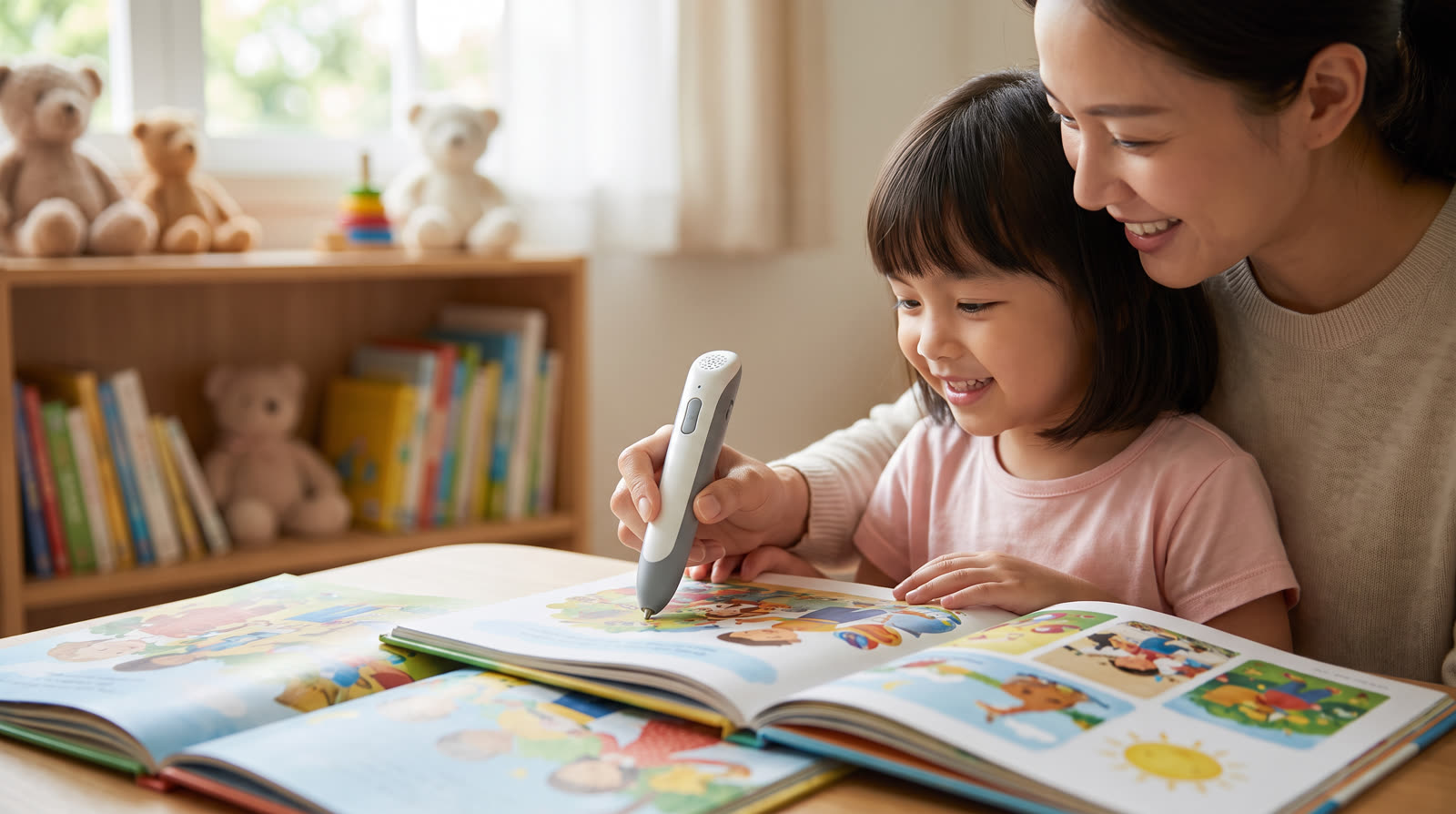
How Can a Brand Plan a Bilingual Talking Pen and Book Range? is most useful when education brands, publishers and multilingual programme owners need to make a controlled decision about a specific product-and-content release. A bilingual talking pen should not be defined only by a catalogue label, a search phrase or a generic product image. The buyer needs a shared view of the intended users, materials, device configuration, content status, market, channel and next decision. The purpose is defining a multilingual product route without treating a language label as proof of content, usability or rights readiness.
Start With a Buyer-Owned Scope
A useful scope document names the actual user context before it asks a supplier or partner for a response. For this project, identify the language pairs, authorised edition and recordings, switching behaviour, intended user journey, packaging languages, target territories and editorial reviewers. Label each item as confirmed, proposed or awaiting review. This is more useful than asking whether a generic multilingual talking pen is available because it makes the project boundaries visible.
The scope should also explain why the buyer is evaluating the set. Is the next decision an editorial proof, a product sample, an assortment choice, a retail listing, a pilot or a sourcing comparison? A short written brief does not replace a contract, specialist advice or final market review. It does give each participant the same starting point and prevents one team from assuming a book, audio file, accessory or approval is already included when another team has treated it as open.
Map the Product, Content and User Interaction
A bilingual books with audio pen is only meaningful when the buyer can describe the intended interaction. Identify what the user touches or selects, what information or audio is expected, which edition or material is in scope, what happens when a file or page changes and how the user receives instructions. Record the current device sample and content version together. A device from one project and materials from another are not automatically a valid test combination.
For this guide, a controlled language-pair sample using approved or clearly marked draft assets, with review questions for audio, page interaction, instructions and buyer-facing copy. Ask each reviewer to distinguish observations from conclusions. For example, a reviewer may record how a current sample responds to a named page or activity. That observation should not automatically become a claim about all future editions, all learners, all environments or all markets.
Use Evidence Gates Before the Next Commitment
| Decision area | Buyer question | Useful record |
|---|---|---|
| Scope | What product, materials and user context are included? | Dated product-and-bundle brief |
| Content | Who controls the current files and product claims? | Asset and approval register |
| Review | What should the next sample or activity demonstrate? | Test plan with named owner |
| Market | What needs destination-specific review? | Market responsibility log |
| Handover | Who owns unresolved questions and release? | Versioned release note |
A buyer-side control table for a specific reading-pen and learning-material release.
Use four practical gates. First, agree the commercial scope: the proposed product, bundle, channel and target market. Second, agree the content and brand scope: which files and statements are authorised for the current review. Third, agree the review scope: what the next sample, proof, activity or demonstration must show. Fourth, agree the release scope: who can approve the current configuration for the next step.
a product can be described as multilingual before the team has confirmed the relevant recordings, edition permissions, user instructions and reviewer approvals Keep unresolved questions visible. A concept image is not a release image, a draft file is not an authorised production asset and a generic sample is not the buyer's approved market version.
A Practical Buyer Workplan for kids language learning books
1. Define one next decision. Start with the decision the project must make now: select a product route, approve materials for testing, compare options, prepare a package proof or authorise a later handover.
2. Identify current versions. Give the product sample, book or activity material, audio assets, package file and buyer wording a dated reference. If an item is illustrative, say so.
3. Ask for relevant evidence. a version-controlled programme from language selection and rights confirmation to recording approval, interaction testing, packaging review and release ownership. Ask suppliers and internal reviewers to identify assumptions and exclusions in writing, rather than filling gaps with a generic capability statement.
4. Assign owners. Name the commercial, editorial, brand, market and shipping contacts who will answer the open questions. The person receiving a sample should not be assumed to own every approval.
5. Record the handover. Before a quotation, launch or shipment step, compile the current scope, evidence, unresolved items and next decision owner. This reduces confusion when the project changes.
Buyer Checklist Before You Move Forward
Use the following checks before the next handover.
- Confirm the current product, accessories, book or content assumptions and packaging scope.
- Name the commercial, editorial, brand and market-review contacts.
- Label files, images and claims as approved, proposed or awaiting review.
- Define the question that the next sample, proof, activity or supplier response must answer.
- Record changes with an owner, reason, version and required approval.
- Keep language learning pen for kids language separate from final market-facing claims until the relevant release evidence has been reviewed.
An organised brief also supports a more useful inquiry. You can send your project requirements to ReadGlo with the target market, user group, product interest and next decision rather than requesting a generic catalogue response.
ReadGlo project support
Send Your Requirements
Share your target market, product scope, expected quantity and launch timing. Our team can prepare a relevant product, content or quality-control discussion.
Keep Content, Brand and IP Decisions Explicit
An interactive-book programme may combine buyer-selected editions, artwork, text, recordings, translations, brand files, packaging copy and product photographs. The buyer should identify the relevant rights holder or authorised reviewer for each asset and keep a current record of the permitted medium, territory, language, attribution conditions and written approvals where applicable. A device manufacturer, printer, distributor or retailer should not be assumed to grant those permissions.
Use an asset register that distinguishes approved files from examples and work-in-progress material. If a book, recording, package, image or product statement changes, decide whether the earlier approval still applies before it appears in a sample, listing, shipment or market release.
Prepare the Next Handover
The next handover may be from a brand to a supplier, a publisher to a prepress partner, a school team to a buyer, or an importer to a distributor. It should include the current project brief, version references, approved assets, open questions, decision owners and the specific evidence required before the next gate.
For this project, the useful handover is a language-and-edition matrix that records each approved asset, language, territory, attribution condition, product version and release decision. If the team cannot identify the current product, file, package or claim, it should resolve that ambiguity before asking a channel partner or end user to rely on it.
Review the Final Market and Transport Path
Requirements for children’s products, packaging, batteries and transport depend on the final configuration, intended users, destination and route. Buyers should arrange a release-specific review with the responsible professional, importer of record and shipper rather than relying on generic statements. The European Commission explains that toys placed on the EU market are subject to applicable safety rules and CE marking obligations; IATA explains that battery air-transport requirements can vary by configuration and rating. These are useful planning references, not proof that a particular product is ready for every market.
Frequently Asked Questions
What should a buyer prepare before planning a bilingual talking pen project?
Prepare a dated brief that covers the language pairs, authorised edition and recordings, switching behaviour, intended user journey, packaging languages, target territories and editorial reviewers. Mark unknown items clearly so suppliers and internal reviewers respond to the same project rather than filling gaps with assumptions.
Is multilingual talking pen a complete product specification?
No. A search term or category label can start a conversation, but a buyer still needs the actual product, materials, content state, package, market, evidence request and decision owner for the proposed release.
How should a buyer assess bilingual books with audio pen?
Use the buyer's own representative materials and record the exact configuration, version and question being reviewed. A product demonstration should not be treated as a general promise beyond what the documented test shows.
Who should approve book content, audio and brand assets?
The buyer should identify the rights, editorial, brand and market reviewers for the assets it plans to use. Keep their approval attached to the current version rather than treating a prior example or email as ongoing permission.
What is the next review step for kids language learning books?
Use a controlled language-pair sample using approved or clearly marked draft assets, with review questions for audio, page interaction, instructions and buyer-facing copy. State what the review can answer, what it cannot answer and who will decide whether the project can move to the next gate.
Can language learning pen for kids be used in marketplace or retail copy?
Use only wording that matches the final configuration, approved materials and release evidence for the relevant market. Route unverified performance, compatibility, safety, educational or availability statements to the responsible owner before publication.
What is the practical output of a english learning pen for kids buyer guide?
The useful output is a language-and-edition matrix that records each approved asset, language, territory, attribution condition, product version and release decision. It makes the next handover traceable without turning a preliminary discussion into an unverified product, content or market promise.
Conclusion
How Can a Brand Plan a Bilingual Talking Pen and Book Range? should produce a clearer buyer decision, not a generic promise. Use the current scope, named approvers and release-specific evidence before you compare offers, prepare market copy or move goods. To discuss your project, explore the Smart Reading Pen product route, send your requirements to ReadGlo, or visit the Blog Hub for related procurement resources.
Further Reading
For decisions involving content rights, product obligations or battery transport, use current official sources and the responsible professional. Useful starting points include WIPO Copyright guidance, CPSC Toy Safety Business Guidance, European Commission Toy Safety guidance and IATA battery guidance.
Continue with ReadGlo
See product specifications and request model-specific documentation.
ReadGlo project support
Get a Project Quote
Request product specifications, sample guidance or a tailored proposal for your reading pen, interactive book or distributor program.