Contents
A Careful, Individual Answer
Question addressed: Is a reading pen with simple touch controls suitable for children with bilingual language exposure?
Simple touch controls may be a preference worth observing during shared reading, but it cannot diagnose, treat, or guarantee outcomes for bilingual language exposure. The useful question is whether the child can participate comfortably with a responsive adult, appropriate content, and a routine that can be adjusted.
For product documentation or OEM inquiries, contact info@readglo.com.
Discuss the Feature as a Preference
| Feature discussion | Helpful question | Avoid claiming |
|---|---|---|
| simple touch controls | Can the child control pace, volume, or participation comfortably? | That the feature treats a condition or guarantees progress |
| Book choice | Is the language and topic meaningful to the child? | That one format suits every learner |
| Adult support | Can a caregiver or educator respond to the child’s cues? | That a device replaces instruction or care |
Use observation and qualified guidance rather than product claims.
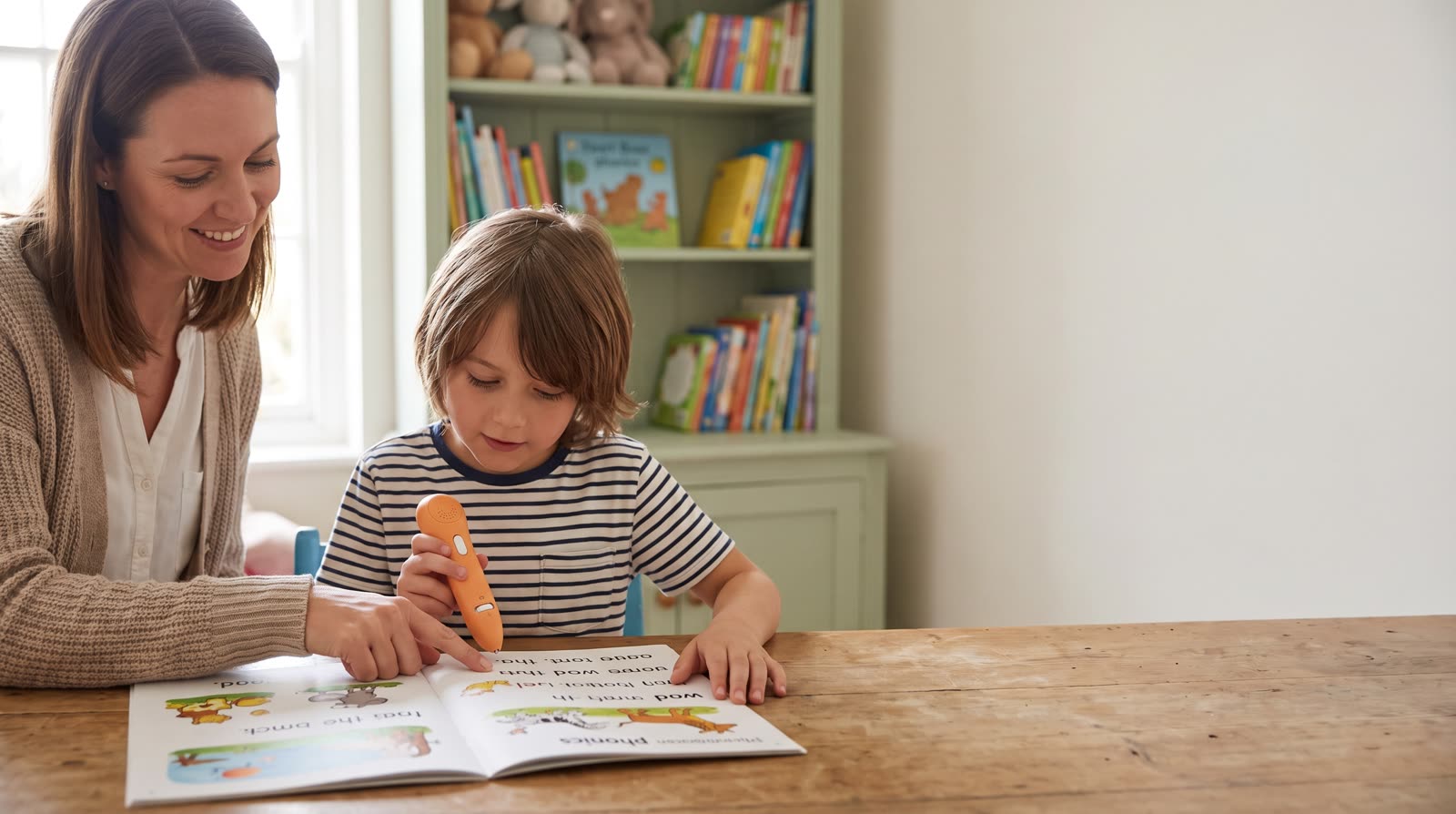
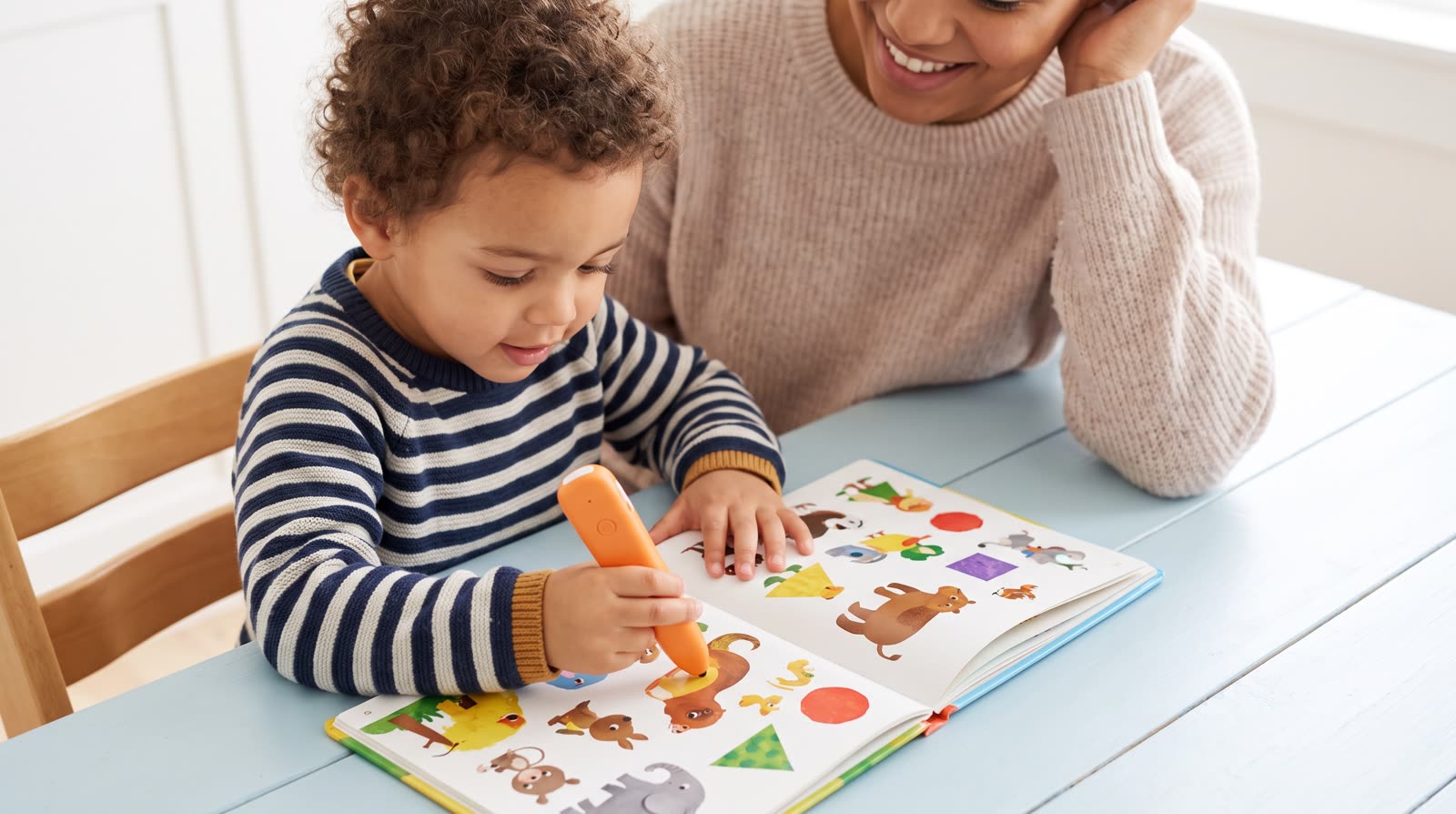
Try one short, calm reading moment with an adult present. Notice whether the child wants to continue, pause, repeat, point to the picture, or move to another activity. A feature can support access or predictability for some children, but the response is individual.
Keep the Reading Moment Responsive
Short turns, predictable choices, and conversation around a picture can make it easier to see what is engaging. The adult can pause audio, name what the child notices, and adjust the pace. For dyslexia or persistent reading difficulty, structured instruction from qualified educators remains important; a replay feature is not a substitute for assessment or instruction.
When Professional Input Helps
If concerns about attention, reading, hearing, language, or development persist, speak with a qualified educator or clinician. CDC describes school support as a collaborative process among families, educators, and professionals; this article is not medical advice or an individualized recommendation.
Continue with ReadGlo
See a DOT-code picture-book set designed for guided early-learning programs.